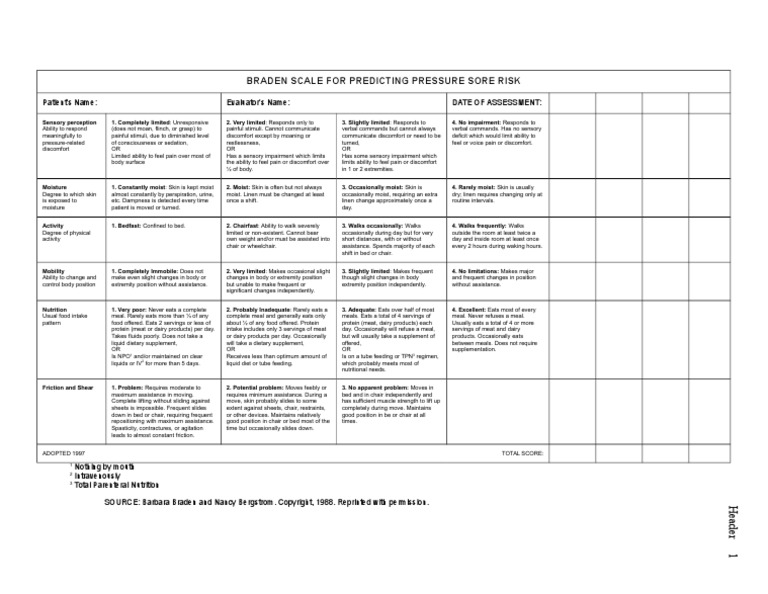
Printable Braden Scale
Printable Braden Scale - Frequently slides down in bed or chair, requiring frequent repositioning with maximum assistance. Or limited ability to feel pain over most of body surface. Unresponsive (does not moan, flinch or grasp) to painful stimuli, due to diminishing level of consciousness or sedation. Braden scale for predicting pressure sore risk source: Braden pressure ulcer risk assessment note: Permission should be sought to use this tool at www.bradenscale.com. Braden scale for predicting pressure sore risk sensory perception: Use the braden scale to assess the patient’s level of risk for development of pressure ulcers. Unresponsive (does not moan, flinch or grasp) to painful stimuli, due to diminished. Developed 1984 by braden and bergstrom six elements that contribute to either higher intensity and duration of pressure or lower tissue tolerance to pressure therefore. Use the braden scale to assess the patient’s level of risk for development of pressure ulcers. Braden scale for predicting pressure sore risk sensory perception: Intervention instruction guide rationale the ability to respond meaningfully to. Braden pressure ulcer risk assessment note: Or limited ability to feel pain over most of body surface. Unresponsive (does not moan, flinch, or grasp) to painful stimuli, due to diminished level of consciousness or sedation. Unresponsive (does not moan, flinch or grasp) to painful stimuli, due to diminished. Barbara braden and nancy bergstrom. Frequently slides down in bed or chair, requiring frequent repositioning with maximum assistance. Braden scale for predicting pressure sore risk patient’s name: Unresponsive (does not moan, flinch, or grasp) to painful stimuli, due to diminished level of consciousness or sedation. Intervention instruction guide rationale the ability to respond meaningfully to. Unresponsive (does not moan, flinch or grasp) to painful stimuli, due to diminishing level of consciousness or sedation. Barbara braden and nancy bergstrom. Braden pressure ulcer risk assessment note: Use the braden scale to assess the patient’s level of risk for development of pressure ulcers. Unresponsive (does not moan, flinch or grasp) to painful stimuli, due to diminishing level of consciousness or sedation. Unresponsive (does not moan, flinch, or grasp) to painful stimuli, due to diminished level of consciousness or sedation. Permission should be sought to use this tool. Ability to respond meaningfully to pressure related. Permission should be sought to use this tool at www.bradenscale.com. Unresponsive (does not moan, flinch or grasp) to painful stimuli, due to diminishing level of consciousness or sedation. Barbara braden and nancy bergstrom. Or limited ability to feel pain over most of body. Frequently slides down in bed or chair, requiring frequent repositioning with maximum assistance. Sensory perception, moisture, activity, mobility, nutrition,. Pressure sore risk screening tools assist in wound prevention as they identify those persons who are at risk for pressure ulcer development, from those who are not. Permission should be sought to use this tool at www.bradenscale.com. Or limited ability to. Braden scale for predicting pressure sore risk patient's name evaluator's name date of assessmenl sensory perception 1. Unresponsive (does not moan, flinch or grasp) to painful stimuli, due to diminishing level of consciousness or sedation. Unresponsive (does not moan, flinch, or grasp) to painful stimuli, due to diminished level of consciousness or sedation. Pressure sore risk screening tools assist in. Permission should be sought to use this tool at www.bradenscale.com. Braden pressure ulcer risk assessment note: Complete lifting without sliding against sheets is impossible. Braden scale for predicting pressure sore risk patient’s name: The evaluation is based on six indicators: Barbara braden and nancy bergstrom. Braden scale for predicting pressure sore risk sensory perception: Complete lifting without sliding against sheets is impossible. Developed 1984 by braden and bergstrom six elements that contribute to either higher intensity and duration of pressure or lower tissue tolerance to pressure therefore. Unresponsive (does not moan, flinch or grasp) to painful stimuli, due to diminishing. Braden scale for predicting pressure sore risk patient’s name: Bed and chairbound individuals or those with impaired ability to reposition should be assessed upon admission for their risk of developing. Barbara braden and nancy bergstrom. Complete lifting without sliding against sheets is impossible. Unresponsive (does not moan, flinch or grasp) to painful stimuli, due to diminishing level of consciousness or. Barbara braden and nancy bergstrom. Braden pressure ulcer risk assessment note: The hartford institute of geriatric nursing, barbara braden and nancy bergstrom, 1988 patient’s name. Unresponsive (does not moan, flinch or grasp) to painful stimuli, due to diminishing level of consciousness or sedation. Braden scale for predicting pressure sore risk patient's name evaluator's name date of assessmenl sensory perception 1. Unresponsive (does not moan, flinch or grasp) to painful stimuli, due to diminished. Unresponsive (does not moan, flinch or grasp) to painful stimuli, due to diminishing level of consciousness or sedation. Complete lifting without sliding against sheets is impossible. Bed and chairbound individuals or those with impaired ability to reposition should be assessed upon admission for their risk of developing.. Barbara braden and nancy bergstrom. Unresponsive (does not moan, flinch or grasp) to painful stimuli, due to diminishing level of consciousness or sedation. Developed 1984 by braden and bergstrom six elements that contribute to either higher intensity and duration of pressure or lower tissue tolerance to pressure therefore. Unresponsive (does not moan, flinch or grasp) to painful stimuli, due to diminished. Complete lifting without sliding against sheets is impossible. Braden scale for predicting pressure sore risk patient’s name: Bed and chairbound individuals or those with impaired ability to reposition should be assessed upon admission for their risk of developing. Ability to respond meaningfully to pressure related. Use the braden scale to assess the patient’s level of risk for development of pressure ulcers. Or limited ability to feel pain over most of body surface. Braden scale for predicting pressure sore risk sensory perception: Or limited ability to feel pain over most of body. Frequently slides down in bed or chair, requiring frequent repositioning with maximum assistance. Braden pressure ulcer risk assessment note: Intervention instruction guide rationale the ability to respond meaningfully to. Sensory perception, moisture, activity, mobility, nutrition,.printable braden score braden scale chart Braden scale a pressure ulcer
Braden Scale For Predicting Pressure Sore Risk Risk Factor Score
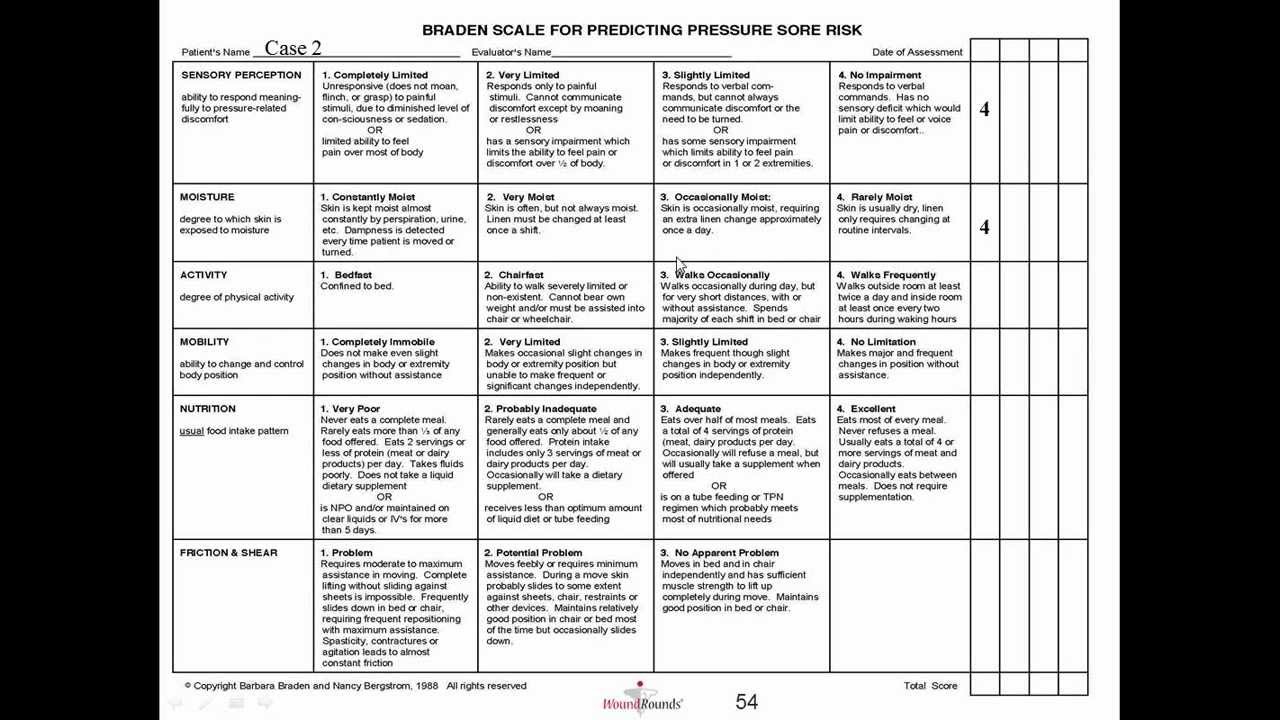
braden score braden scale chart Braden scale for predicting pressure
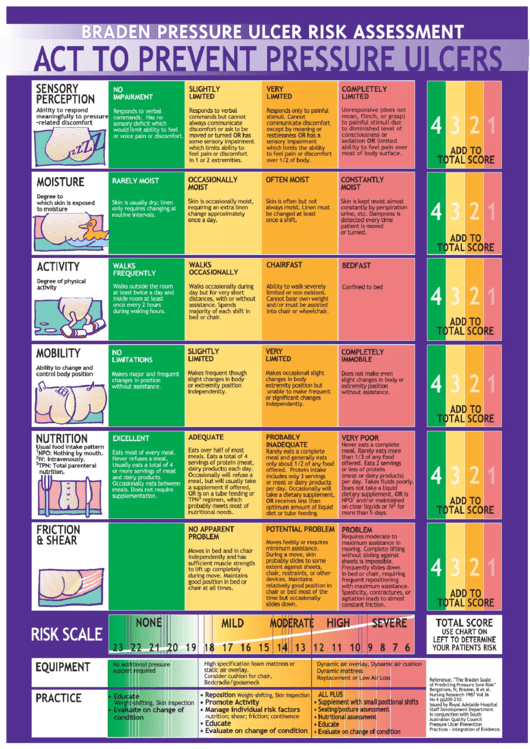
Braden Pressure Ulcer Risk Assessment printable pdf download
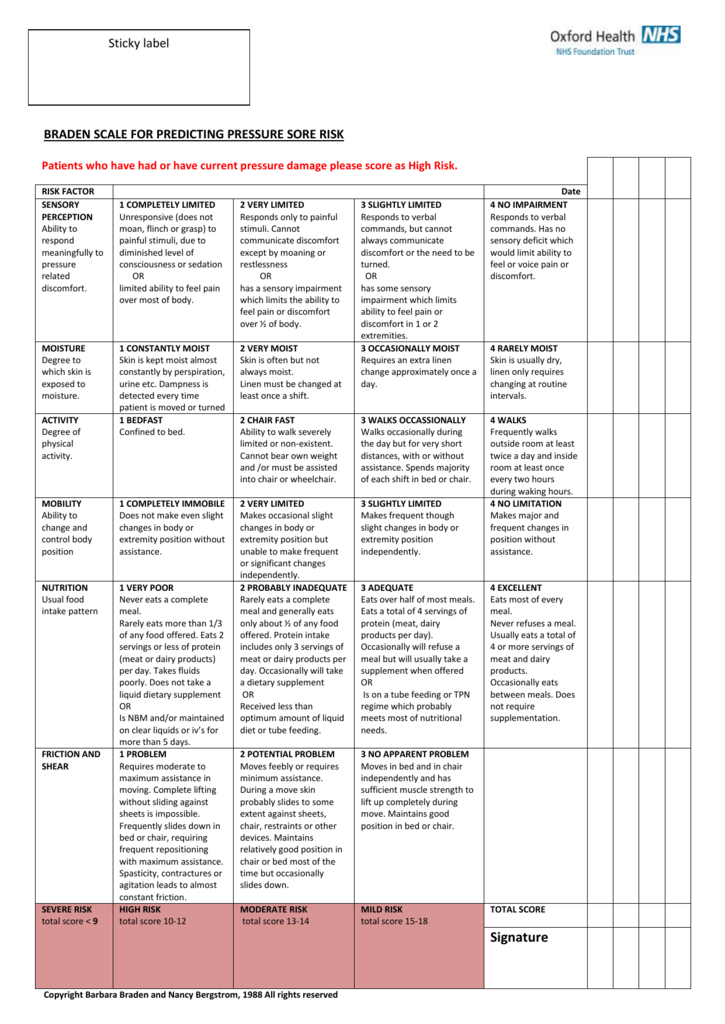
Braden Scale Printable
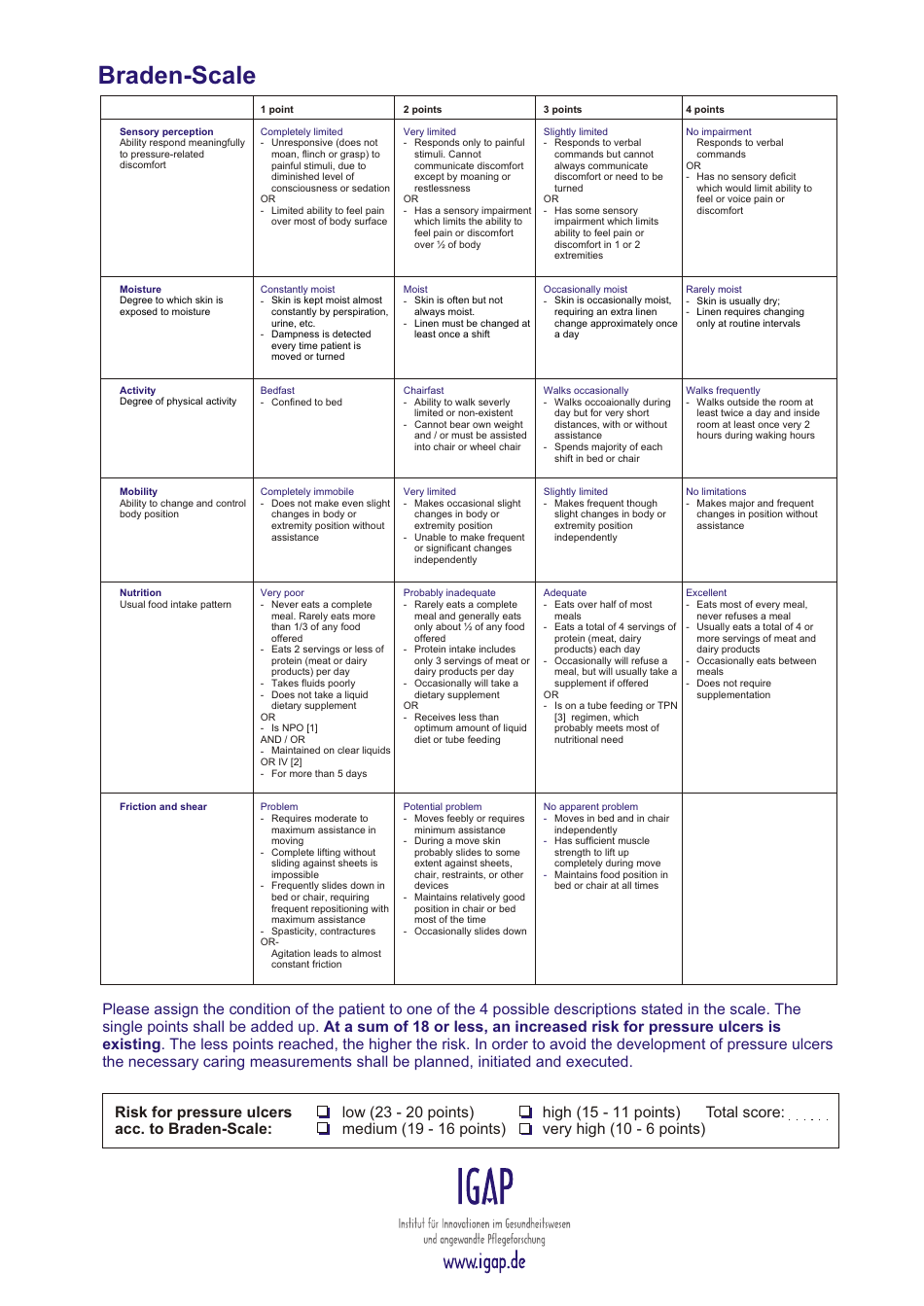
Braden Scale Printable
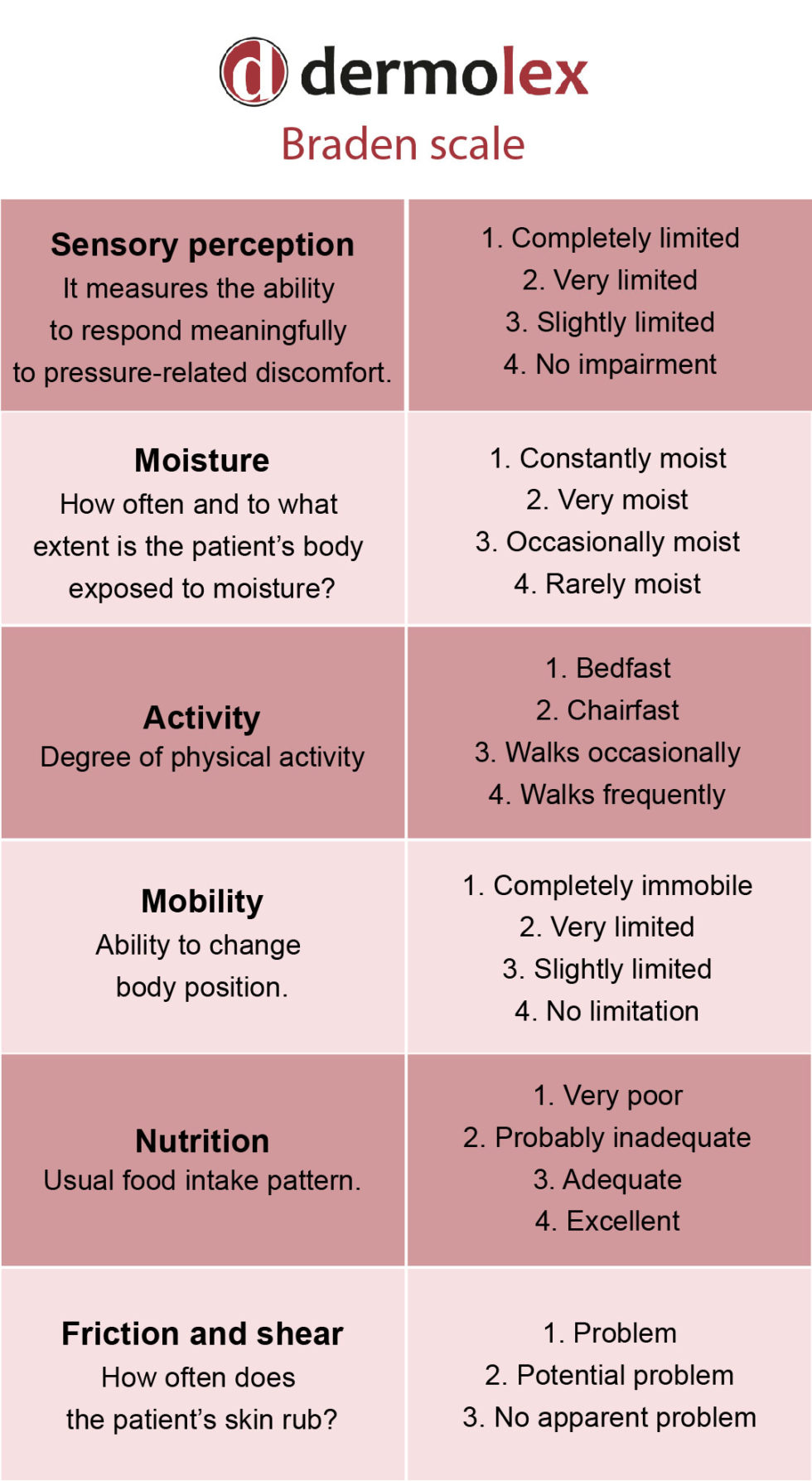
Free Printable Braden Scale

Sample Percentage Compliance Of Risk Pressure Ulcer Using Braden Scale
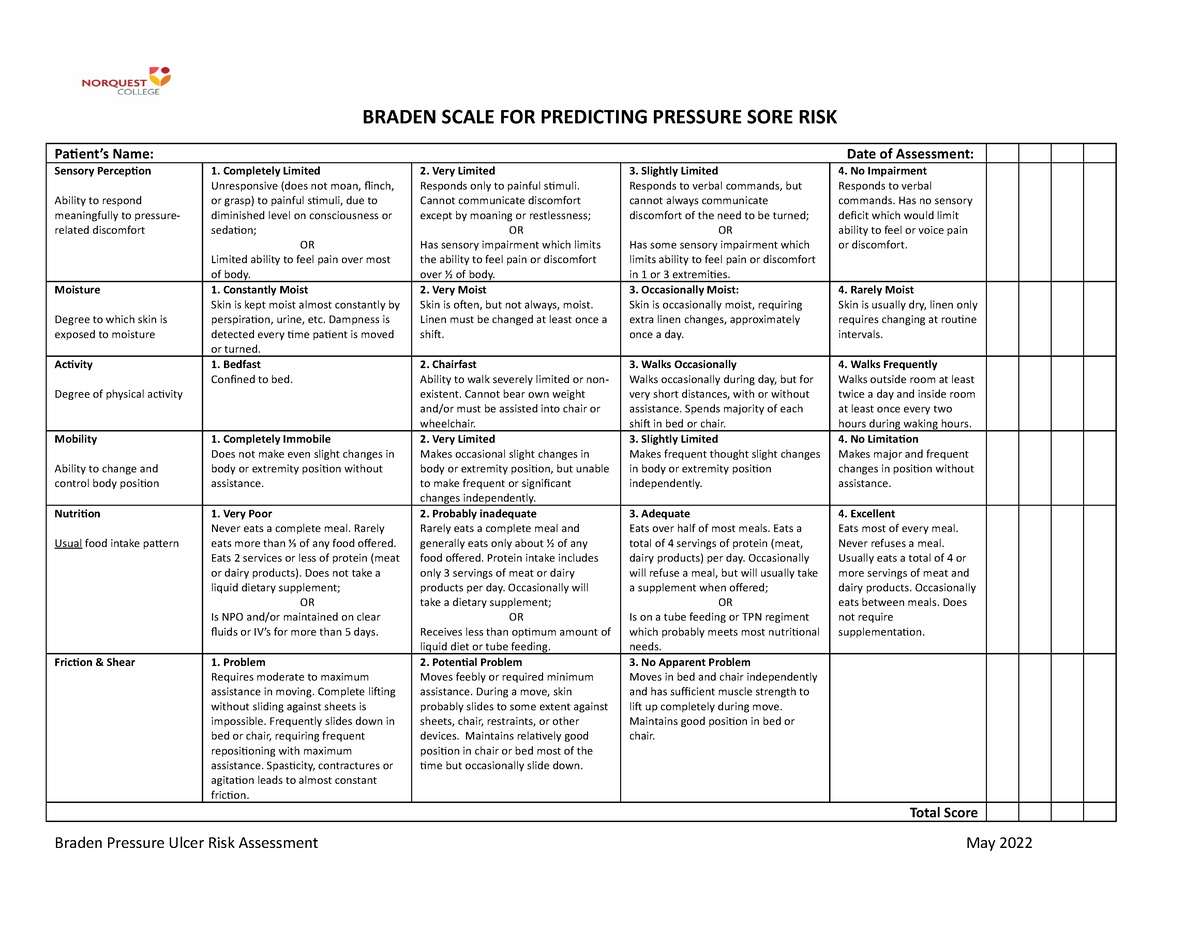
printable braden score braden scale chart Braden scale a pressure ulcer

Braden Scale Pdf Fill Online, Printable, Fillable, Blank pdfFiller
Braden Scale For Predicting Pressure Ulcer Risk Category I (Stage I) Category Ii (Stage Ii) Category Iii (Stage Iii) Category Iv (Stage Iv) Unclassified (Unstageable) Suspected Deep.
The Hartford Institute Of Geriatric Nursing, Barbara Braden And Nancy Bergstrom, 1988 Patient’s Name.
Pressure Sore Risk Screening Tools Assist In Wound Prevention As They Identify Those Persons Who Are At Risk For Pressure Ulcer Development, From Those Who Are Not.
Unresponsive (Does Not Moan, Flinch, Or Grasp) To Painful Stimuli, Due To Diminished Level Of Consciousness Or Sedation.
Related Post: