
Printable Electronics
Printable Electronics - Printable electronics primarily require two technology components: Conventionally, printing is to recreate characters, paintings and pictures on papers or others with ink. Lately, printed electronics (pe), technology for creating electronic circuits and electronic components by use of printing technology, has been intensively researched and developed. In a paper published today in science advances, the researchers report that they have fabricated a stamp made from forests of carbon nanotubes that is able to print electronic inks onto rigid and flexible surfaces. Imagine printing a working flashlight or a musical greeting card. Scientists have come a step closer to the vision of a broad application of flexible, printable electronics. Instead of wires and chips, we use special ink that conducts electricity. The team has succeeded in developing powerful vertical organic transistors with two. As an additive manufacturing technique, phe can fabricate heterogeneous structures of component circuits with different numbers of layers on a substrate at one step. Keen on electronics devices and making your own gadgets? Printed electronics, as the name suggests, combines two different fields into one. In a paper published today in science advances, the researchers report that they have fabricated a stamp made from forests of carbon nanotubes that is able to print electronic inks onto rigid and flexible surfaces. Conventionally, printing is to recreate characters, paintings and pictures on papers or others with ink. It’s a way to make electronic devices by printing special ink onto materials like paper or plastic. Instead of printing text on a paper, one can print conductive, semiconductive or dielectric inks on any suitable substrate (usually plastic) to create electrical structures. Printed electronics (pe) in its basic form was around Engineers at mit have invented a fast, precise printing process that may make such electronic surfaces an inexpensive reality. (1) nanomaterials as printing materials [21]; Engineers at mit have invented a fast, precise stamping process that may make such electronic surfaces an inexpensive reality. Printed electronics is a new way to utilize an old manufacturing method. Instead of printing text on a paper, one can print conductive, semiconductive or dielectric inks on any suitable substrate (usually plastic) to create electrical structures. Printed electronics, as the name suggests, combines two different fields into one. In a paper published today in science advances, the researchers report that they have fabricated a stamp made from forests of carbon nanotubes. Scientists have come a step closer to the vision of a broad application of flexible, printable electronics. Conventionally, printing is to recreate characters, paintings and pictures on papers or others with ink. Instead of wires and chips, we use special ink that conducts electricity. In a paper published in s cience advances, the researchers report. As an additive manufacturing technique,. Scientists have come a step closer to the vision of a broad application of flexible, printable electronics. Engineers at mit have invented a fast, precise printing process that may make such electronic surfaces an inexpensive reality. Engineers at mit have invented a fast, precise printing process that may make such electronic surfaces an inexpensive reality. Printed electronics is a set. Imagine printing a working flashlight or a musical greeting card. Now, a team based at duke university has developed and tested printable electronics using a menu of inks and an inkjet printer. Printable electronics are like magic on paper! Instead of printing text on a paper, one can print conductive, semiconductive or dielectric inks on any suitable substrate (usually plastic). Traditional printing that creates a product by application of ink onto a substrate and electronics, the technology that creates variety of devices, circuits or systems. It’s a way to make electronic devices by printing special ink onto materials like paper or plastic. As an additive manufacturing technique, phe can fabricate heterogeneous structures of component circuits with different numbers of layers. Engineers at mit have invented a fast, precise printing process that may make such electronic surfaces an inexpensive reality. Printed electronics is a new way to utilize an old manufacturing method. Conductive and semiconductive inks, as well as various other materials, are printed onto these substrates. Printed electronics (pe) in its basic form was around Instead of printing text on. 1.1 what is printable electronics technology? Imagine printing a working flashlight or a musical greeting card. In a paper published in s cience advances, the researchers report. Scientists at the institute of applied physics at tu dresden have come a step closer to the vision of a broad application of flexible, printable electronics. Instead of wires and chips, we use. Use raspberry pi, arduino, or gopro and create new equipment using 3d print. Engineers at mit have invented a fast, precise printing process that may make such electronic surfaces an inexpensive reality. As an additive manufacturing technique, phe can fabricate heterogeneous structures of component circuits with different numbers of layers on a substrate at one step. Printable electronics primarily require. The team has succeeded in developing powerful vertical organic transistors with two. As an additive manufacturing technique, phe can fabricate heterogeneous structures of component circuits with different numbers of layers on a substrate at one step. Scientists at the institute of applied physics at tu dresden have come a step closer to the vision of a broad application of flexible,. Printable electronics are like magic on paper! 1.1 what is printable electronics technology? Instead of wires and chips, we use special ink that conducts electricity. In a paper published today in science advances, the researchers report that they have fabricated a stamp made from forests of carbon nanotubes that is able to print electronic inks onto rigid and flexible surfaces.. Originally, printed electronics related to organic or plastic electronics that use one or. The team has succeeded in developing powerful vertical organic transistors with two. Now, a team based at duke university has developed and tested printable electronics using a menu of inks and an inkjet printer. Keen on electronics devices and making your own gadgets? Printable electronics primarily require two technology components: Printed electronics is a set of printing methods used to create electrical devices on various substrates. Conductive and semiconductive inks, as well as various other materials, are printed onto these substrates. Instead of wires and chips, we use special ink that conducts electricity. Engineers at mit have invented a fast, precise stamping process that may make such electronic surfaces an inexpensive reality. 1.1 what is printable electronics technology? Printable electronics are like magic on paper! Use raspberry pi, arduino, or gopro and create new equipment using 3d print. Lately, printed electronics (pe), technology for creating electronic circuits and electronic components by use of printing technology, has been intensively researched and developed. Printing typically uses common printing equipment suitable for defining patterns on material, such as screen printing, flexography, gravure, offset lithography, and inkjet. Instead of printing text on a paper, one can print conductive, semiconductive or dielectric inks on any suitable substrate (usually plastic) to create electrical structures. Engineers at mit have invented a fast, precise printing process that may make such electronic surfaces an inexpensive reality.
Printable Electronics Printable Giant Devices
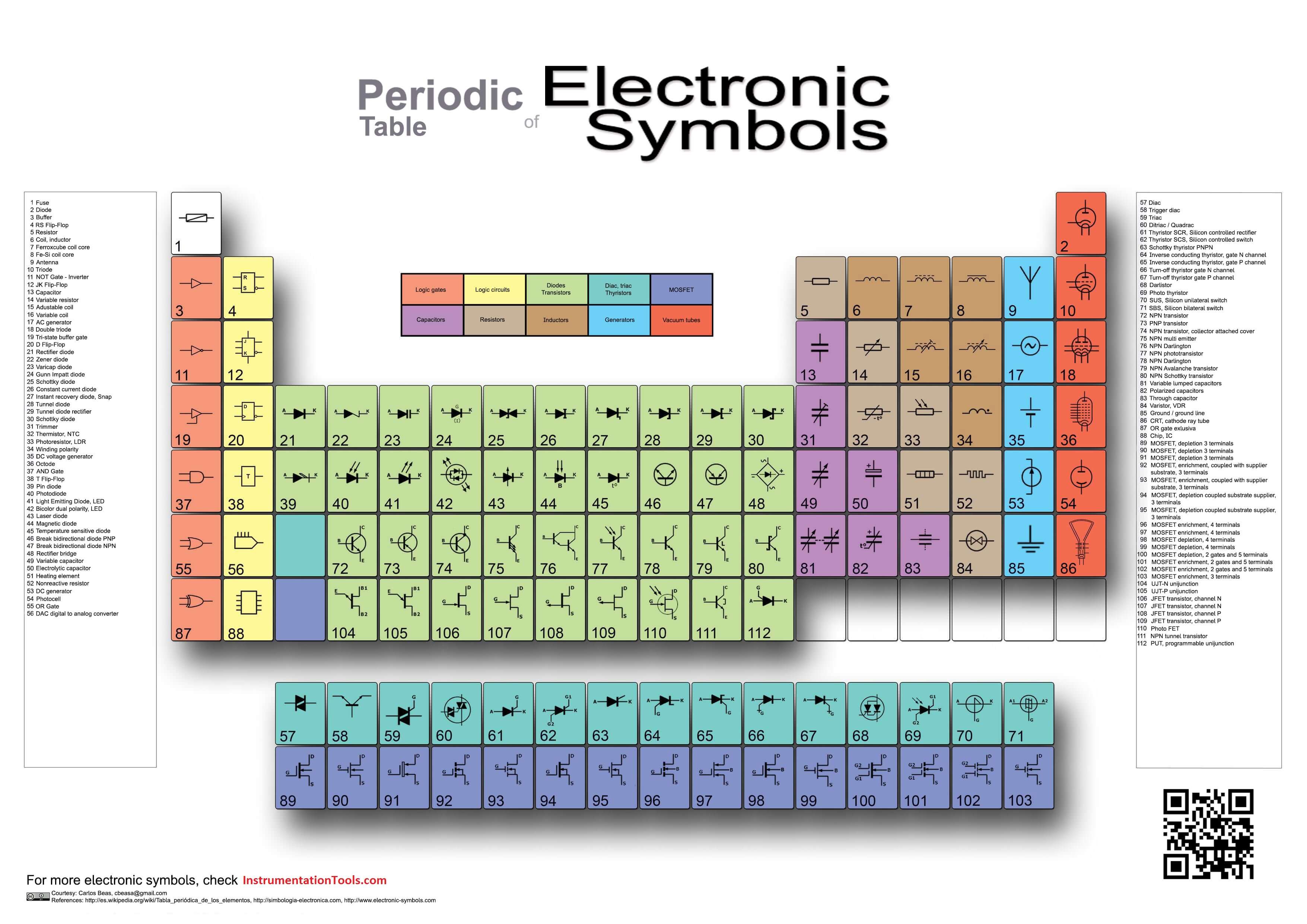
Printable Electronic Symbols Chart
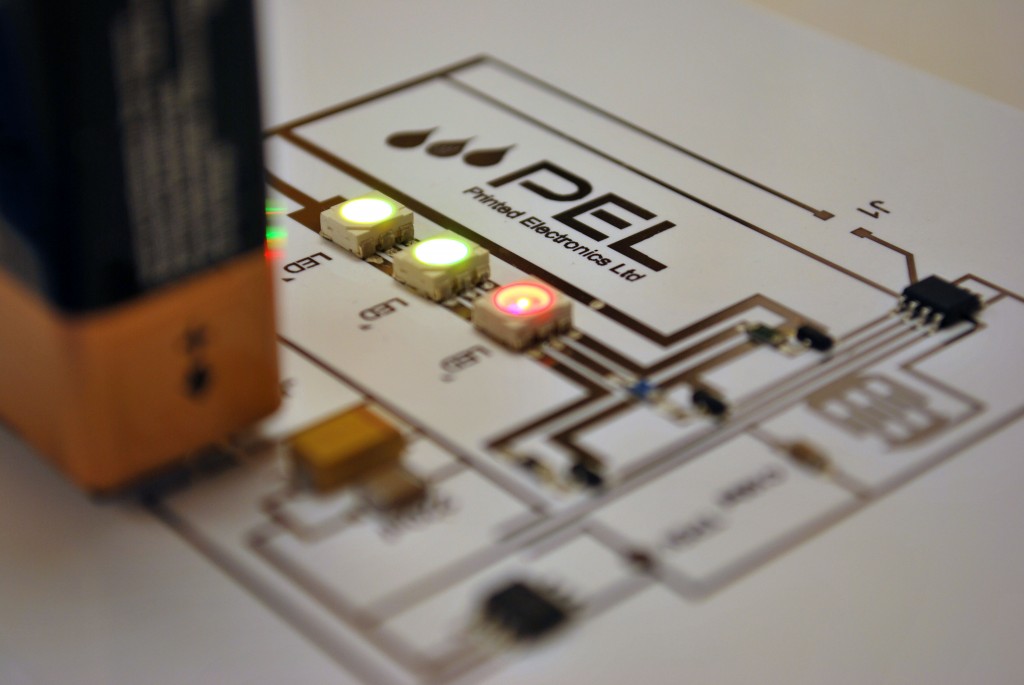
Printed Electronics Commercial Fabrication of Electronic Circuits
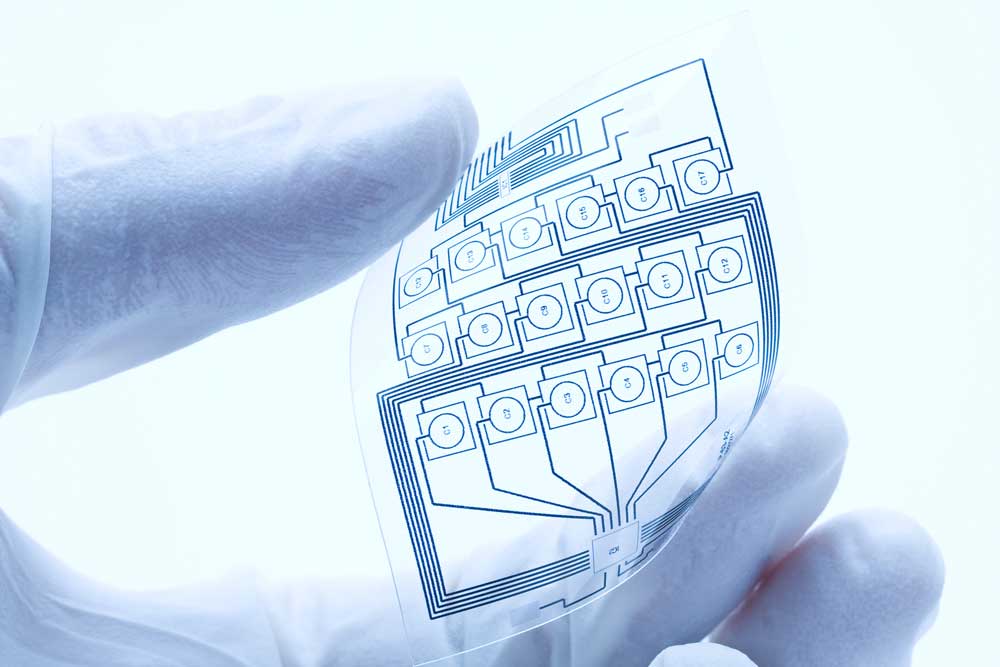
What Are Printed Electronics? Nelson Miller

Printable Electronics at CPI YouTube

7 best lps electronics printables Artofit

Printable electronics with 1 to micron features and a speed of 5
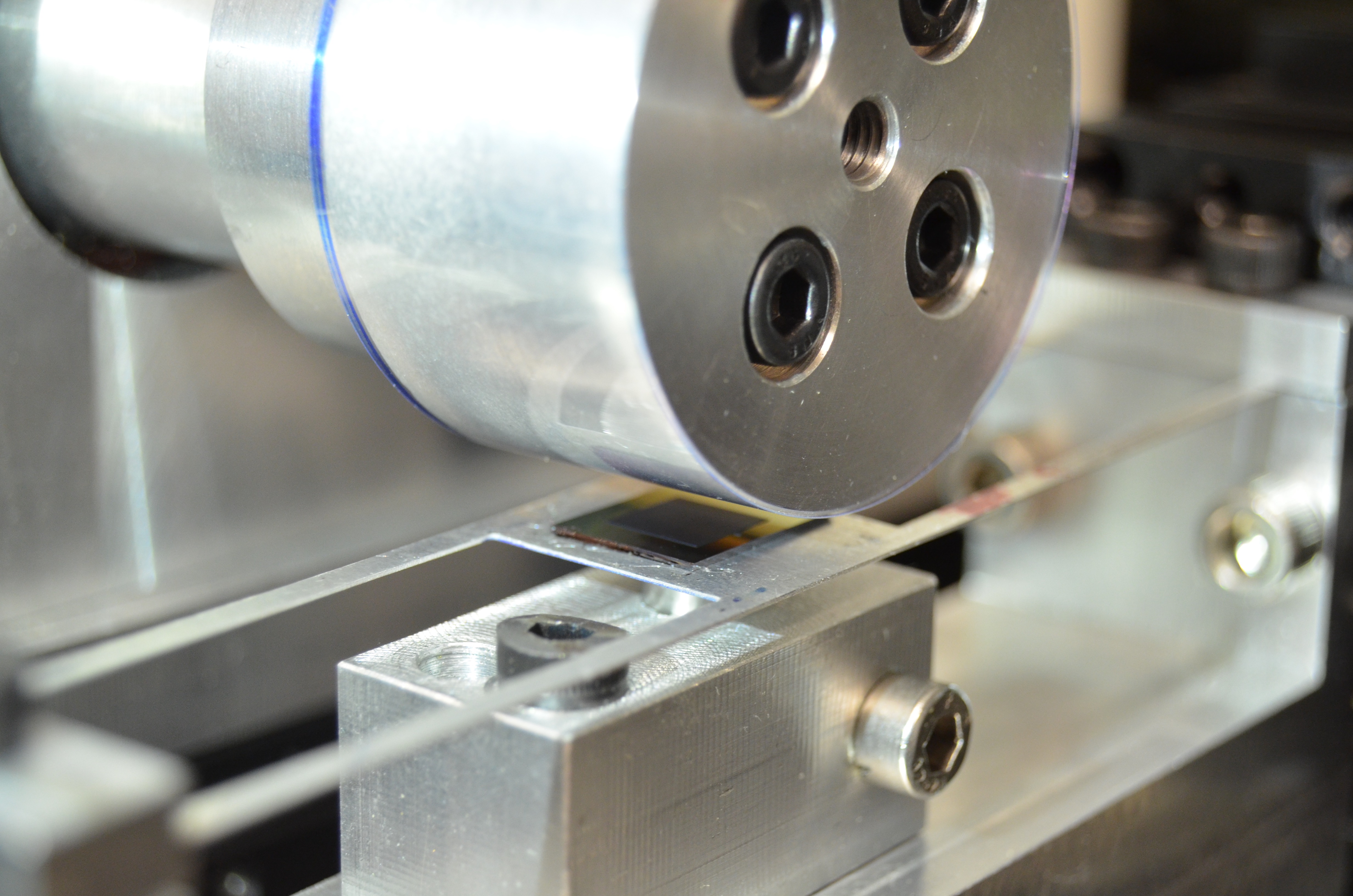
Printable electronics MIT Energy Initiative

Printable Electronics

Printed electronics circuit board with green Free backgrounds and
(1) Nanomaterials As Printing Materials [21];
In A Paper Published In S Cience Advances, The Researchers Report.
As An Additive Manufacturing Technique, Phe Can Fabricate Heterogeneous Structures Of Component Circuits With Different Numbers Of Layers On A Substrate At One Step.
It’s A Way To Make Electronic Devices By Printing Special Ink Onto Materials Like Paper Or Plastic.
Related Post: